








Bakuchiol Co2 Extract Concentrate
Ingredients/Tech Specs:
CTFA Name: Bakuchiol
INCI Name: Bakuchiol
COUNTRY OF ORIGIN: China
Packaging: Drums, BPA-free pails, BPA-free jugs, amber glass bottles
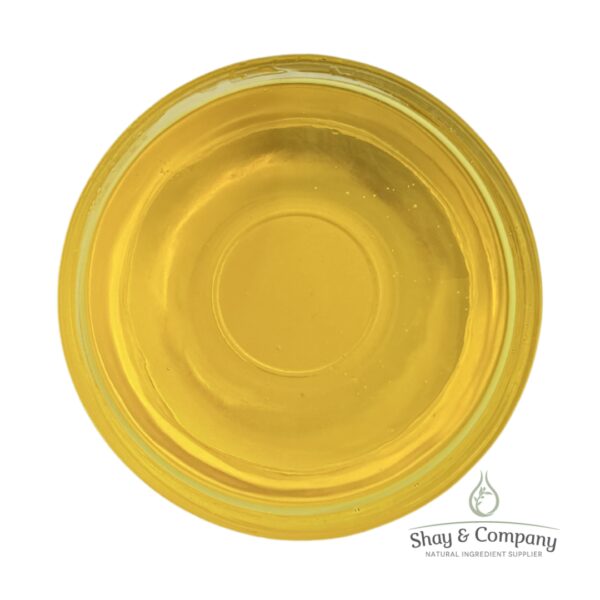
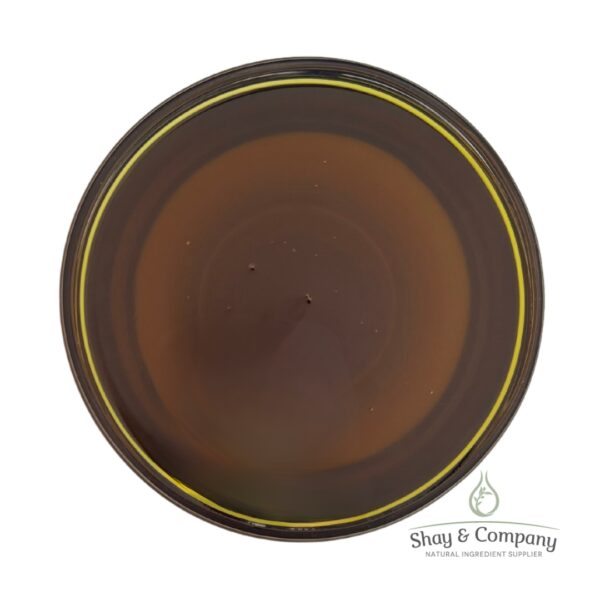
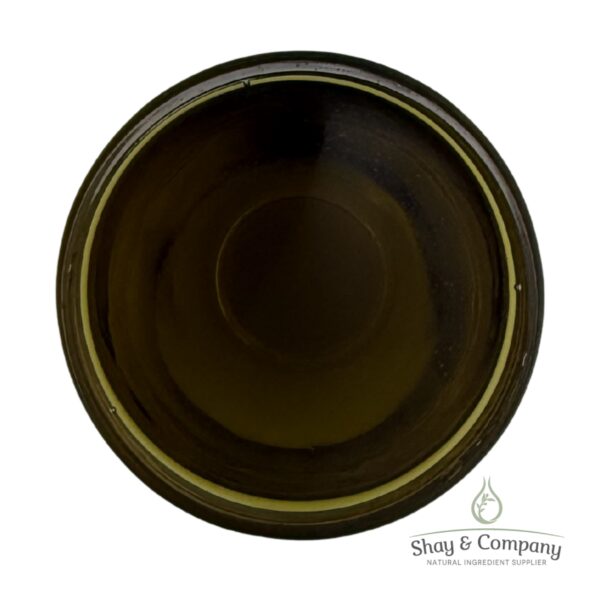
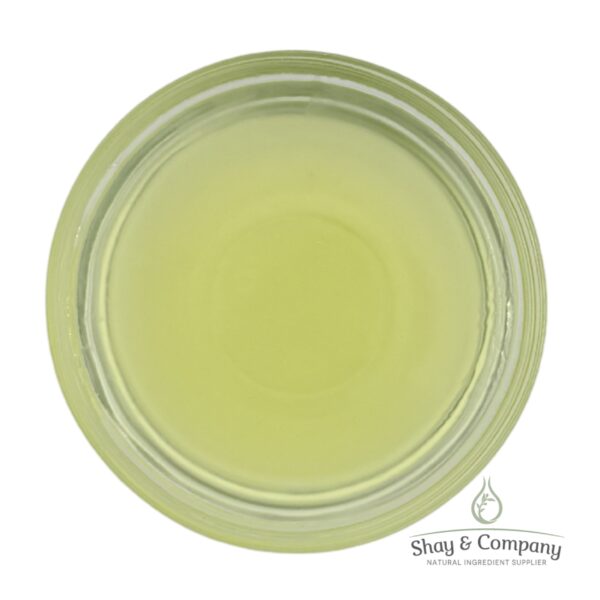
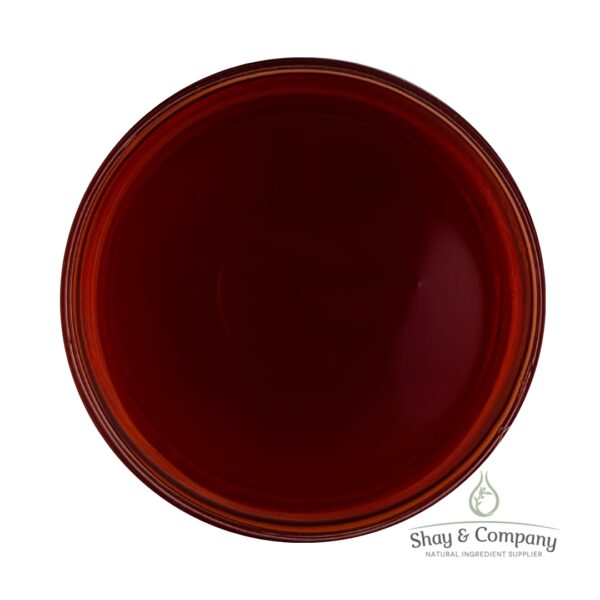
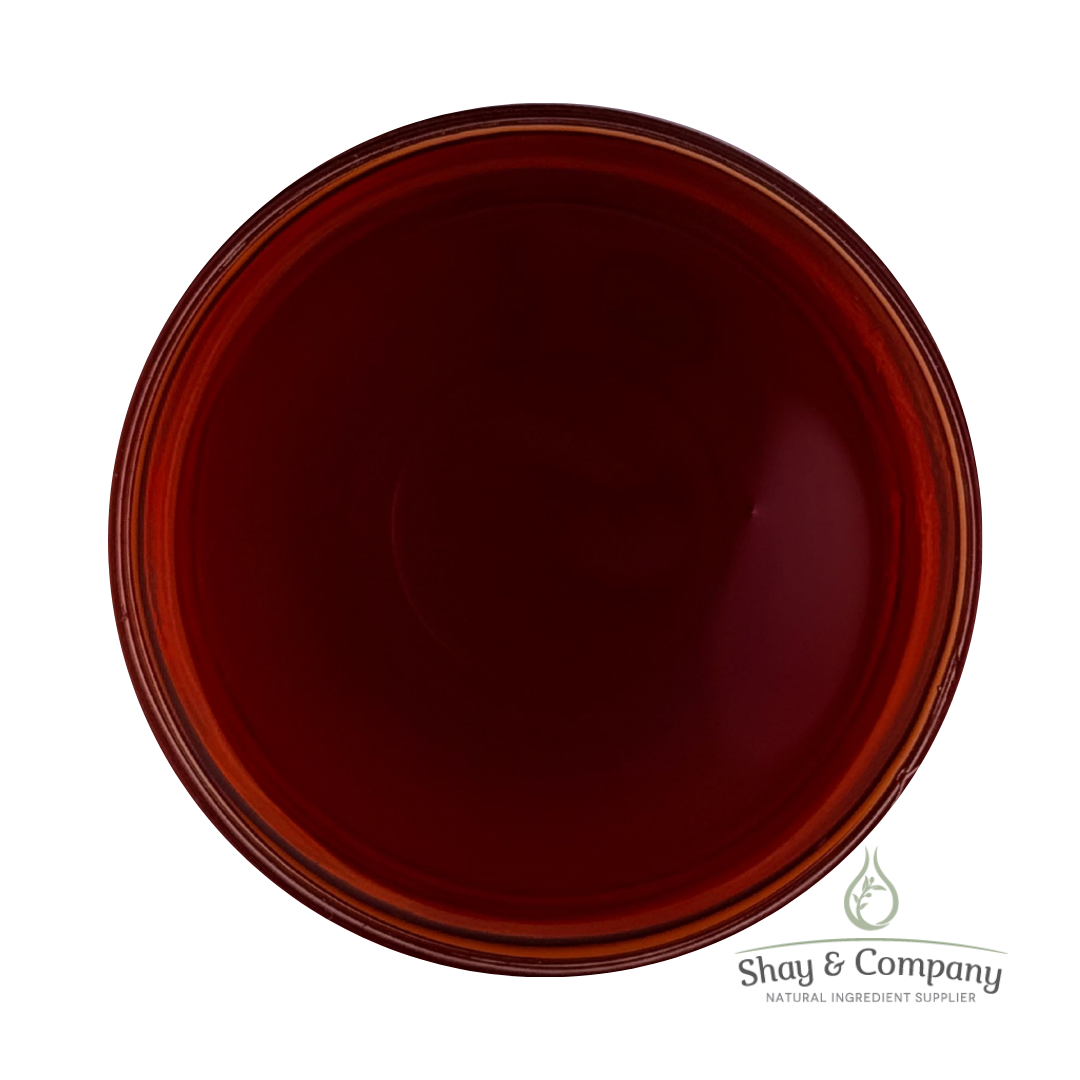
Description: Dark orange to brown; mild aroma
Applications: Skincare
Benefits: exfoliant, antibacterial, anti-inflammatory, promotes natural collagen production, increases elasticity, increases smoothness, reduces appearance of fine lines and wrinkles, whitening and brightening, helps reduce acne, no photoreaction (can be used in sunlight).
Suggest levels of usage: up to 2%
Co2 extracted Bakuchiol creates a very powerful baukchi extract. This is not like the cold pressed Bakuchiol that we carry. Co2 extracted is a super concentrated version that should be used in very small quantities in your end formula. Direct use of just Co2 extracted Bakuchiol will burn your skin.
We do carry both cold pressed Bakuchiol and Co2 extracted Bakuchiol. Cold pressed bakuchiol is 100% cold pressed from the seed. This product still has the plant retinol benefits, but not as strong as the Co2 extracted version. Cold pressed Bakuchiol is delicious on the skin. Feels incredibly smooth and softening. Co2 extracted Bakuchiol is to be used in no more than 2% of the total formula and is a very powerful plant.
Bakuchiol is considered a plant-based retinol-like ingredient. Bakuchiol has the same effects of retinol, without having the irritating, burning and redness when used in the correct percentages. It is a fabulous ingredient to include in any aging skincare product line, or acne focused skincare line. Incredibly powerful plant, bakukchiol and buriti oil are extremely fun ingredients!
Bakuchiol works by significantly down-regulating the inflammatory genes, with the exception of HPGD. HPGD converts PGF2α and PGE2 into ketone metabolites that control inflammation. This visibly reduces inflammation in product tests. Including bakuchiol at just 0.1% makes a verifiable difference in aging skin.
HPGD is Hydroxyprostaglandin Dehydrogenase 15-(NAD). This is an enzyme that plays a critical role in the metabolism of prostaglandins. It is the first step is changing active inflammatory PGF2α and PGE2 into inactive metabolites.
What is the difference between Bakuchi Oil Cold Pressed and Bakuchiol Co2 extracted?
The biggest difference between cold pressed bakuchi and c02 extracted bakuchi is the strength. Cold pressed bakuchi is the whole seed being pressed for the oil content. Co2 extracted bakuchi is a specific pressurized extraction method resulting in a very condensed, highly active level of bakuchi. The cold pressed version can be used on its own or as a carrier oil in a cream, serum, or lotion, although it is most ideal if you include it in a formulation with other carrier oils and butters. You can use as little or as much as you’d like since it is an oil.
The Co2 extracted version is very strong and will aggressively exfoliate the skin. The ideal percentage of usage in your formulas for the Co2 extracted version is 0-2%. Co2 extracted Bakuchiol should never be applied directly to the skin; it should always be used at a small percentage in a formula.
Is there sun sensitivity issues with bakuchi oil?
Cold Pressed Bakuchi oil can create sun sensitivity issues, although at different degrees. Cold pressed bakuchi oil is the whole seed oil, not just a concentrated active of bakuchi. I know this can be confusing as they are both from the same source, but think of cold pressed bakuchi oil as the complete extraction of the plant seed, whereas the Co2 extracted version is just the single, isolated molecule of bakuchi. Bakuchi itself does not create sun sensitivity, the other compounds in the oil do.
Cold Pressed Bakuchi oil contains naturally occurring psoralens and furanocoumarins. Psoralens are UV absorbing compounds. This is directly the cause of sun sensitivity in products. Bakuchi oil products are excellent for night time usage, allowing the product to penetrate without being in direct sunlight. Then encourage your clients to use a sun protection product during the day, especially when venturing outside and getting direct sun exposure.
Because the Co2 extract of Bakuchi doesn’t contain the full spectrum of the cold pressed oil, it does not create sun sensitivity issues through UV absorbance. I know, backwards, right? It would make more sense if the Co2 version created the sun sensitivity, but it is the psoralens and furanocoumarins in the cold pressed oil that absorb UV. Cold pressed bakuchi oil is still less damaging and less harsh on the skin than retinols, you just need to ensure your customers have a good sun protection protocol in place, too.
Is Bakuchi Oil phototoxic?
Co2 Extracted Bakuchiol is not phototoxic; cold pressed bakuchi oil can create sun sensitivity
Can you use Bakuchi Oil in daytime products?
You can use it in daytime products although we do recommend the Co2 extracted version for daytime and the cold pressed version for nighttime products. This is due to the sun sensitivity issues in the cold pressed version.
Is Bakuchi Oil safe for sensitive skin?
Yes! Bakuchi Oil can be used on almost all skin types.
Why choose plant based retinol alternatives over regular retinol?
Retinol has long been the standard ingredient for aggressive skin re-texturing and exfoliating. The downside is that retinol is extremely harsh on the skin and many individuals experience redness and damage due to overuse of retinoids. Plant based retinols such as bakuchi oil and buriti oil, create the same levels of skin refining, without causing the redness and overuse damage.
Plant based retinol alternatives use plant compounds to promote gentle cell turnover. This creates finer lines and wrinkles, less discoloration, smoother skin and a more youthful appearance, without causing redness, flakiness, or increased sun sensitivity. Plant based retinols can also be used in a more product formulations, since most skin types can tolerate them well, and they feel great on the skin. Both bakuchi oil and buriti oil have a very silky, smooth feeling when applied to the skin.
Plant based retinols also do not contain any synthetic vitamin A so there are no pregnancy warnings on using plant based retinols.
Plant based retinols alternatives, unlike traditional retinol, are shelf stable and do not start to degrade once exposed to the air.
Does Bakuchi Oil cause redness or flakiness?
No, this is the benefit of plant based retinols. Both cold pressed bakuchi oil and Co2 extract bakuchiol, when used in the correct percentages, can be very gentle on the skin and will not cause the redness or flakiness normally experienced with retinol.
How is Co2 extracted Bakuchiol Made?
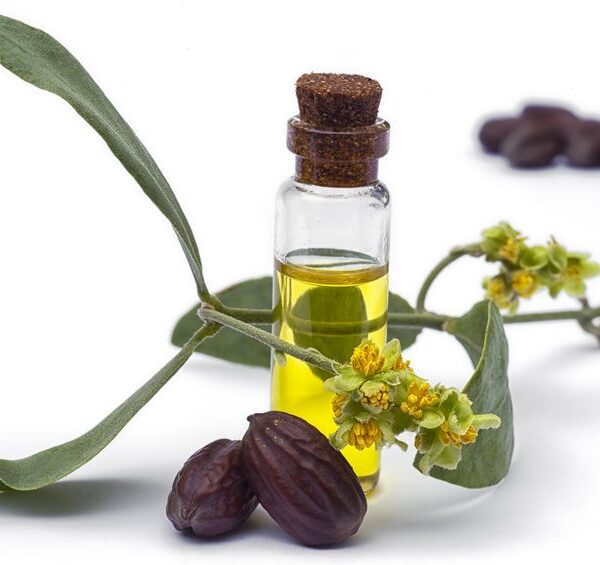
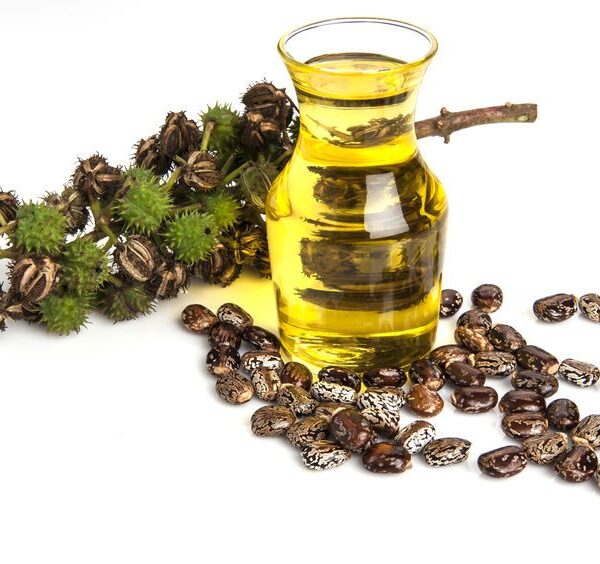
Bakuchiol is extracted from psoralea coryfolia seeds.
Co2 processing utilizes solvents to extract the concentrated plant material, then it is cleaned to remove the impurities and solvents. Our version of Co2 extracted Bakuchiol is extracted using Hexane and Ethyl Acetate, but then it is cleaned and distilled so that minimal solvent residue remains. In this particular Co2 extraction, there is less than 304ppm alcohol, and 550ppm hexane in the finished product.
How to use Co2 Extracted Bakuchiol in your products?
Only soluble in oil so you will have to use it in an all-oil/butter formula or an emulsified formula, such as lotions, creams and serums.
Always add the Co2 Bakuchiol when ingredients are at 60°C or less (140°F), so when you are cooling the products down.
If you’re making all oil serum, you can simply add the Co2 Bakuchiol and blend well. If you’re adding Co2 Bakuchiol to a pre-made base, such as our Aloe Gel Base or Lotion base, no need to heat either. Simply add in and blend well (not high speed mixer, just blending).
When creating product lines incorporating Co2 Bakuchiol, consider adding oils such as Organic Sea Buckthorn Oil (1-2%, high vitamin c; brightening), Organic Borage Seed Oil (1-10%, high GLDA content; extreme free radical scavenger), Organic Jojoba Oil (10% or more; non-comedogenic, extreme emollient), Organic Broccoli Seed Oil (1-10%, natural alternative to silicones; smooth skinfeel; excellent moisture retention), Organic Black Seed Oil (1-55; should be in everything, powerful FDA approved ingredient to fight sun damage), Organic Buriti Oil (oleic acid, vitamin e, vitamin e, beta carotene, excellent skinfeel), Bakuchiol Cold Pressed (10% on up; natural mild retinol effects; great skinfeel; boosts collagen production).
If you’re looking to create a multi-purpose Hyaluronic Acid Serum with anti-aging benefits, you can use our Aloe Gel Base, 2% of the Sodium Hyaluronate 7 Solution, 0.5% Sodium Hyaluronate 120W, 1% Co2 Bakuchiol, and any combination of powerful plant oils in small quantities. This will help exfoliate off aging skin and increase moisture retention.
If you’re creating an emulsified base from scratch, add right before you add preservatives and essential oils/fragrances. This will ensure the heat will not be too high.
Is Bakuchi Oil helpful with skin conditions such as eczema, psorisis or vitiligo?
Bakuchi Oil has high levels of the antioxidants psoralen, isopsoralen, psoralindin, isopsoralidin, bavacoumestan A, cordylidin, and bavacoumestan. What are all those you say? Those are the power workers of Psoralea Corylifolia seed oil. These are all very effective at helping skin conditions such as eczema, psoriasis and dermatitis.
Can Bakuchi Oil help with hyperpigmentation or dark spots?
Bakuchi Oil is also excellent to help combat skin discoloration. This anti-oxidant rich oil helps to even out skin, balancing out sun spots, age spots, and darker areas. This makes Bakuchi Oil an excellent addition to eye creams and treatments. This will not only help even out darker areas under the eye, but will also help to reduce fine lines and wrinkles.
Both cold pressed and Co2 extracted versions will help with this. The usage for each is really focused on the percentage of each used in your formula. The Co2 extracted version is used at 0-2% whereas the cold pressed version can be used at higher percentages.
How does Bakuchi Oil help with hair growth?
Hair growth products are very popular right now, and incorporating powerful plant oils into the hair growth systems can show a lot of benefit. Cold Pressed Bakuchi Oil can help to reduce dandruff and reduce hair loss by cleansing the scalp, balancing oil production and stimulating blood flow. Having a healthier scalp encourages more hair growth and better looking hair.
Bakuchi Oil will also help to leave the hair more hydrated, soft, and reduce frizz when used in a topical hair oil. You could create a hair oil using Broccoli Seed Oil, Olive Oil Squalane, Olive Oil Eco Silicone, Cold Pressed Bakuchi Oil and Organic Amla Oil. Incorporate rosemary seed extract and rosemary essential oil to help stimulate hair repair. We have so many great ingredients that can be used on the hair!
Hair care products using Bakuchi Oil should be leave-on products, not rinse off. The benefit comes from staying on the scalp.
How should you store Bakuchi Oil?
As with all oils, the more stable the storage, the longer the shelf life. Cold pressed bakuchi oil is dark in color with a characteristic aroma. Bakuchi oil can vary in color depending on the batch, and some batches will smell stronger than others. This often has to do with the percentage of active bakuchi in the oil.
Co2 extracted bakuchi will be darker, thicker and stronger. This is an isolated compound, creating a stronger product both in the bottle in and on the skin.
Co2 extracted bakuchiol should be stored in darker containers and experience minimal opening of the containers. When you’re formulating, it is a great idea to pour off a small amount of either version then re-close the original packaging. This will reduce the exposure to air, slowing oxidation. You do not have to store this in the refrigerator but it is a good idea to store it in spaces that do not experience big temperature fluctuations.
Co2 extracted Bakuchiol is sold in 1-ounce amber bottles, 4-ounce amber glass, 8-ounce amber glass, 16-ounce amber glass, 2.2lb (1kg) aluminum bottles.
Short Term Storage: Air tight container. Dark location. Cool room temperature.
Long Term Storage: Removing air from storage container will delay oxidation and rancidity (may need to place in a smaller container). Refrigeration can extend shelf life.